
A system for precise aerosol sampling and distribution
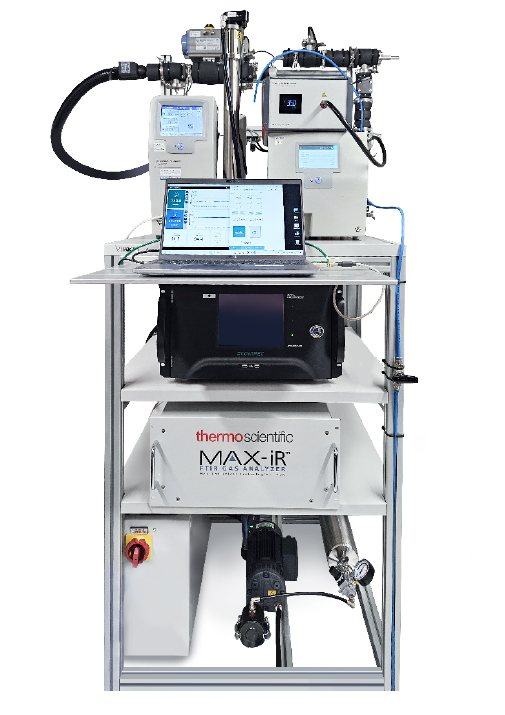
To investigate the effects of aerosols on human cell cultures, accurate knowledge of the test aerosol composition is essential in addition to exposure at the Air-Liquid Interface (ALI). Ideally, this involves a comprehensive characterization of the aerosol’s chemical and physical properties. Various analytical instruments are used for this purpose, each with specific sampling requirements.
The Vitrocell Aerosol Sampling System has been specifically designed to obtain a reproducible and representative aerosol sample from a test environment and distribute it to multiple analytical instruments. This ensures that all measurement systems receive a comparable and meaningful sample for reliable analysis.
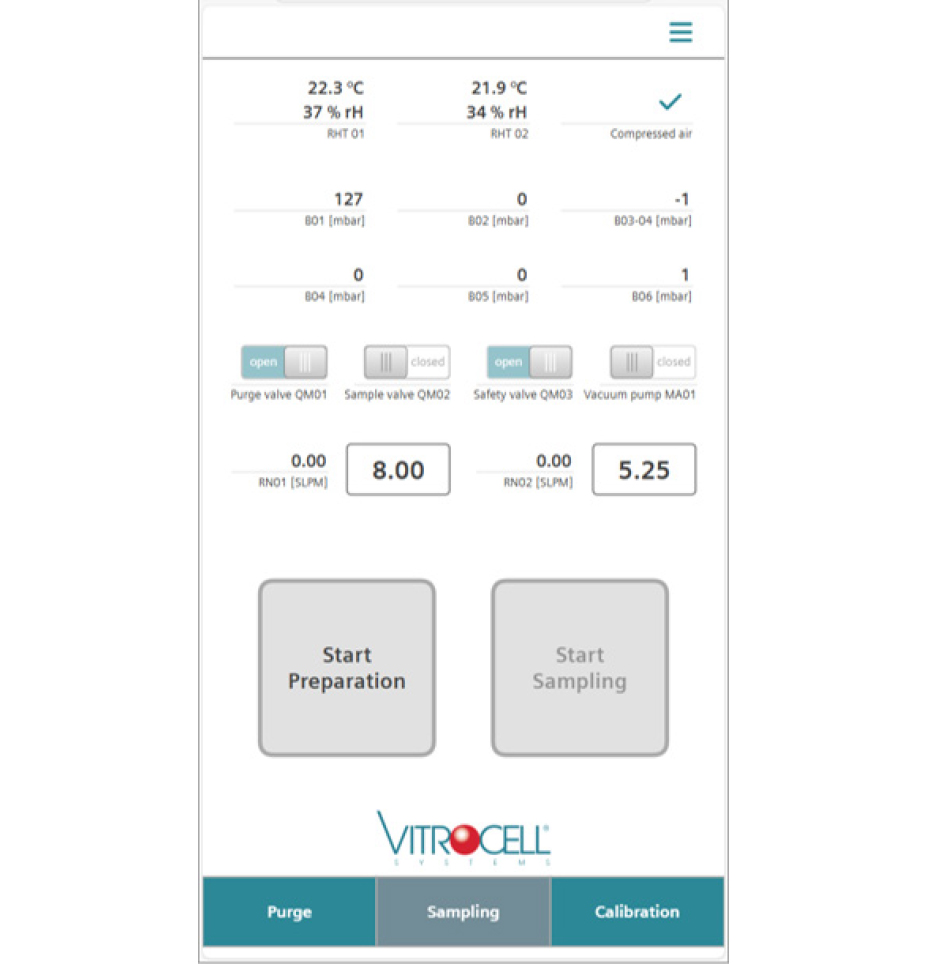
An integrated pump enables direct sampling from the environment or any aerosol source and transfers the aerosol into the stainless steel sampling system. The sampling flow rate is configured via the control software and precisely regulated by a mass flow controller. Sensors at the inlet continuously monitor key parameters such as temperature, humidity, and pressure.
Key aerosol process parameters, including flow rate, temperature, humidity, and pressure, are recorded in real time and visualized through the control software. Changes in inlet conditions can provide early indications of deviations, allowing users to inspect and adjust the aerosol source if necessary. In addition, user-defined alarm limits can automatically stop the sampling process to protect sensitive analytical equipment from potential damage.
For aerosol fractionation, the system can optionally be equipped with an impactor or cyclone separator. Standard configurations are available for PM10 and PM2.5 size fractions.
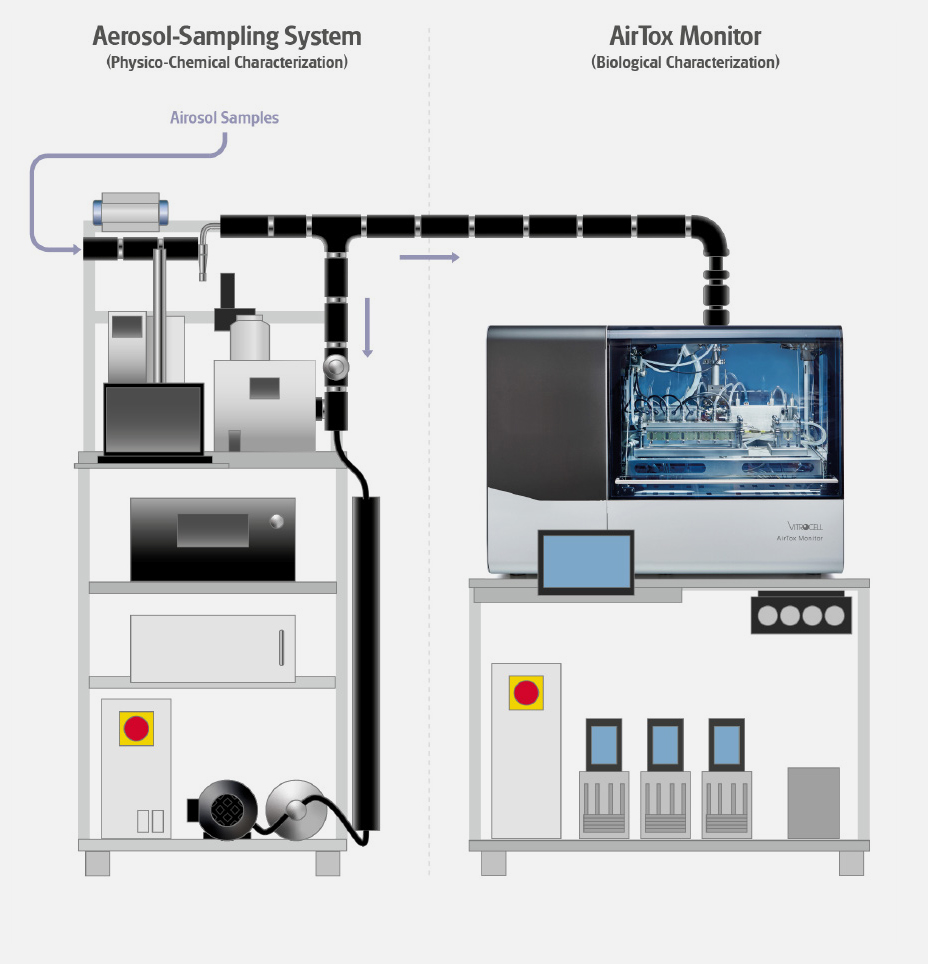
Application example of aerosol sampling system in combination with automated exposure system AirTox Monitor.
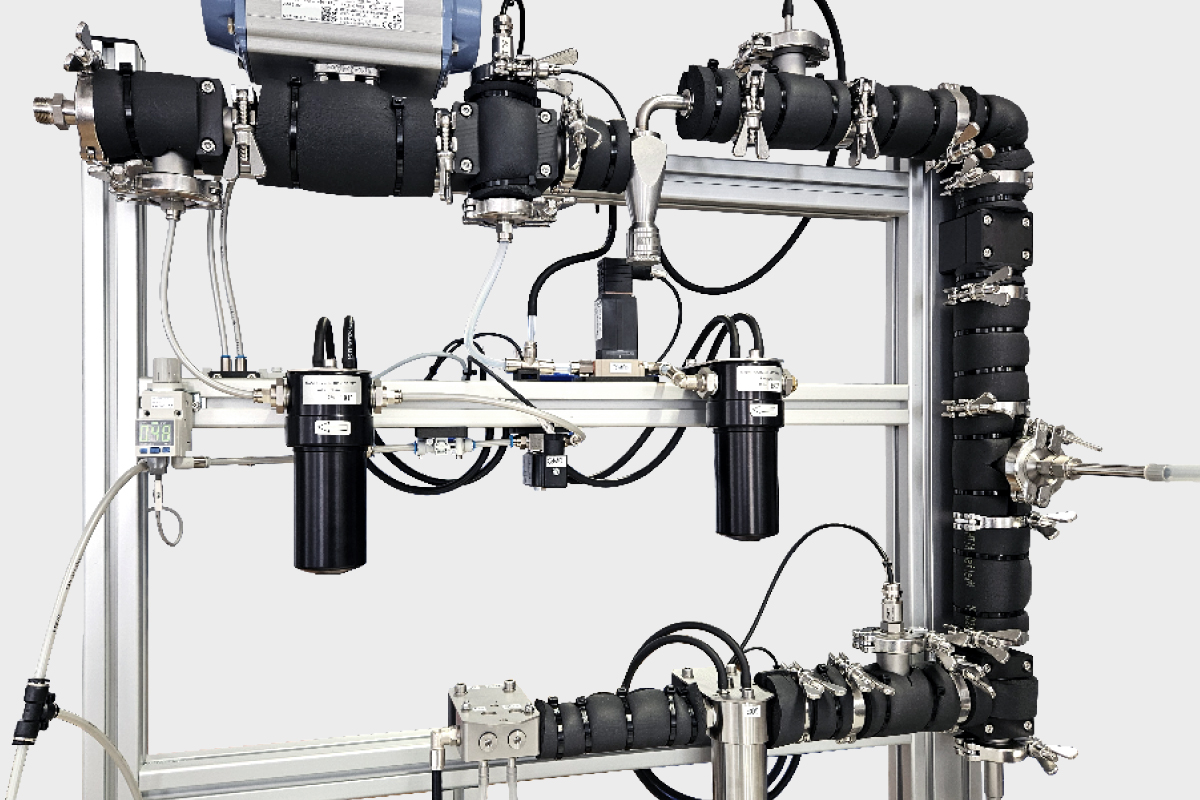
Sub-samples for individual analytical instruments are taken from the main sampling stream. Where required, these are provided through application-specific isokinetic sampling arrangements (e.g., according to Baron & Willeke, Hinds, or VDI 2066 guidelines).
This ensures that each instrument receives the test aerosol under optimal conditions for its respective analytical method. In applications with variable flow rates, the isokinetic sampling conditions can be adjusted dynamically.

We are here to help.
Don't hesitate to contact us on your questions regarding our products and services!
